

A shorter journey today for us found us at ‘L for Llantwit Major’. A varied day of history, a blustery beech walk and Greggs vegan sausage rolls. What more could a man want?
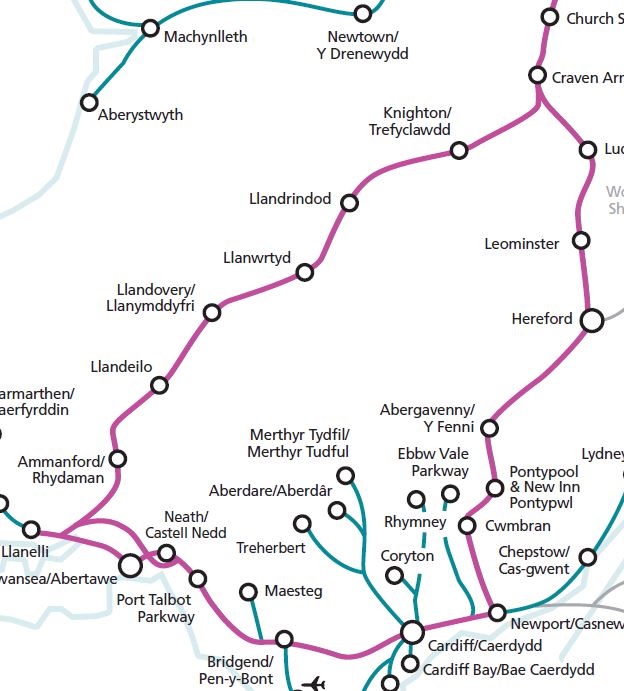
There are a couple of different way of getting to Llantwit Major by train from Cardiff. You can either go via Bridgend on a modern GWR train, change and then south to Llantwit Major, or you can choose to go TfW via Dinas Powys, Barry, Rhoose. Going via Barry allows you to travel over the viaduct at Porthkerry, something I normally just look at from the ground up. It’s a wonder it is still standing given the problems they had constructing it in the late 1900s, with lots of subsidence experienced and underpinning necessary. Sorry, I didn’t man to make you nervous next time you are crossing it.
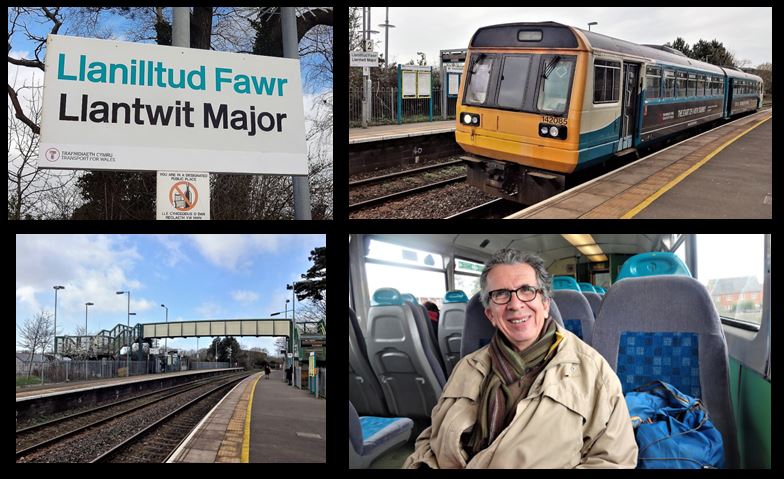
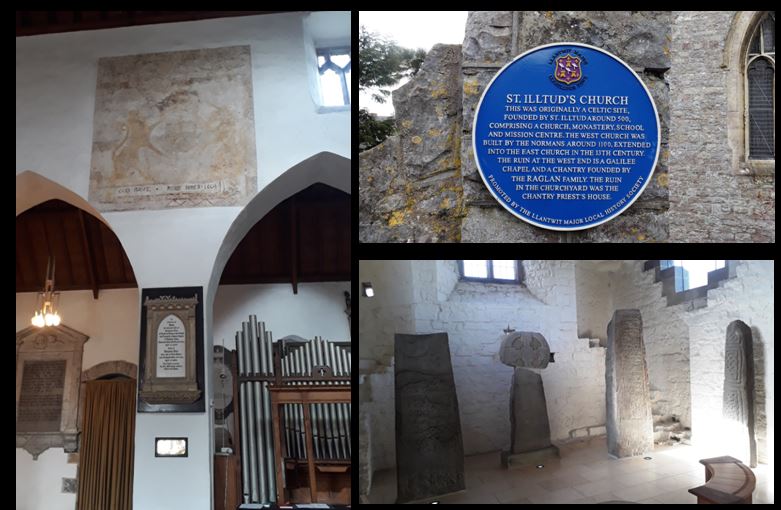
After arriving at Llantwit we headed for the historic part of the town taking in the town hall and views of some attractive and tempting pubs. We arrived at St Illtud’s church which seems a microcosm of history covering the last 1500 years. We struck lucky here in that the church happened to be open, it being a Sunday.
This was the site of the Monastery of Illtud and the college known as Bangor Illtyd, said to be one of the most esteemed centres of Christian culture in the Celtic world with 2000 students – no wonder there’s a lot of pubs in the town. Some claim this is the oldest educational establishment the country was on this site and St David and other saints were taught here in the 5th century. I wonder how he did in his SATs.
The church now houses a collection of Celtic stones which date back to the 9th century. The church itself dates back to the 11th century with later additions in the 13th and 15th century. I was particularly impressed by the medieval wall paintings in the old chapel.
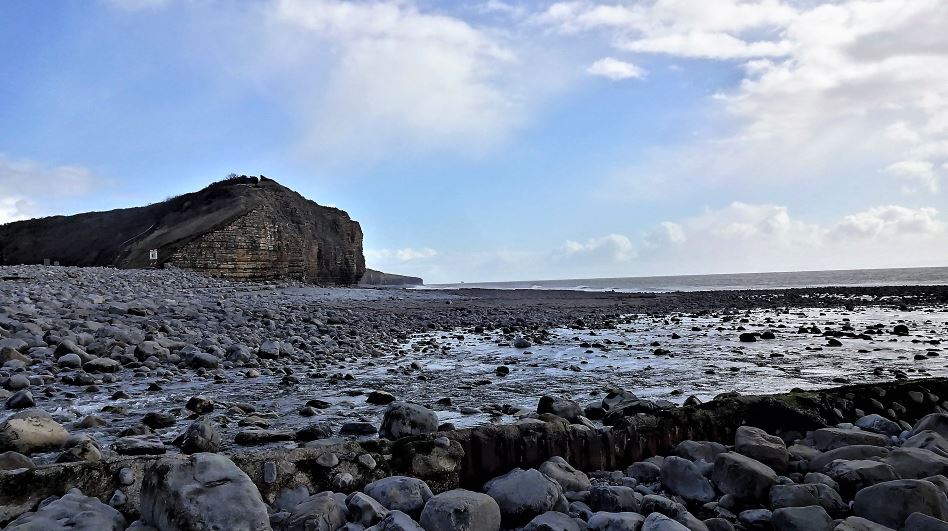
After adsorbing all that history it was time to head to the sea. Its about a kilometre SW of the town and we mainly kept to the paths that ran parallel to the road. Not too many people around today on this blustery Sunday. The tall crumbly cliffs east and west of the pebbly beach always look impressive.
On arriving back in the town we had a bit of lunch and then ambled onto the station for our train home. We waited, and waited, and waited ………. a bit of a medical emergency at Bridgend apparently. Eventually it arrived and all was well – with the casualty too I hope.
Date of trip: 10 Mar 2019
See progress to date: A-Z of Railway Stations







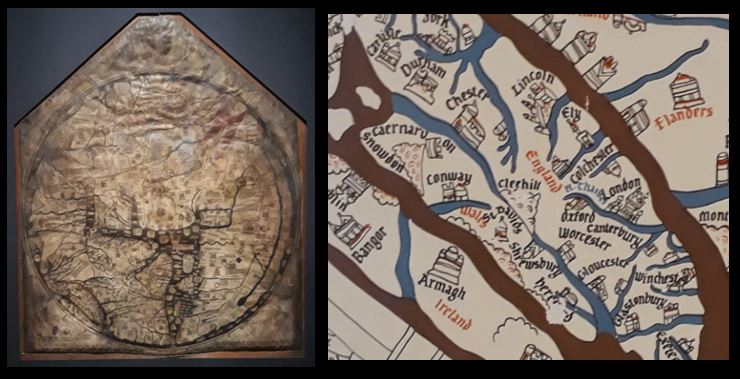
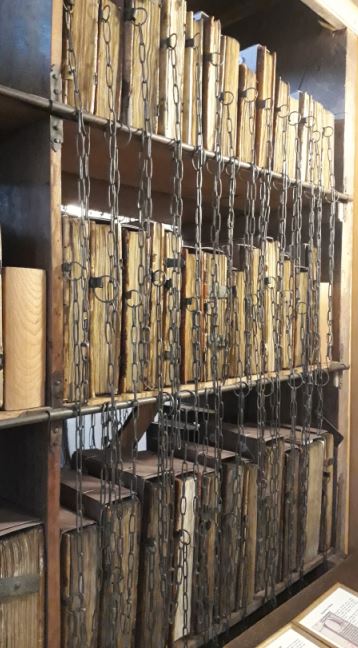 The Mappa Mundi wasn’t the only fascinating thing to see in the cathedral. It also has a
  What I did stumble upon though and a place that I hadn’t planned to visit was the

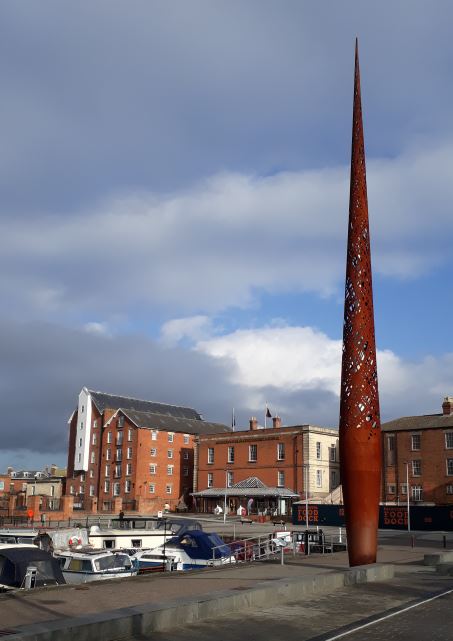 Gloucester Docks is now a gentrified old Victorian Dock where some of the old buildings have been saved and converted into accommodation, museums and shops. It was the most inland port in the country apparently. It is home of the Inland Waterways Museum. There’s a Victorian Pillar Box outside the museum which I got all excited about until later reading it is a replica. How disappointing.
 There’s quite a historical link between Gloucester and Cardiff – I see it every time I go into the centre of Cardiff. It’s Cardiff Castle, built by Robert Fitzhamon, Baron of Gloucester. I was reminded of that link when I went into the cathedral and saw the tomb of Robert of Normandy, William the Conqueror’s eldest son. He had a rocky relationship with his father and brothers and never became king. In fact he was captured by his younger brother, Henry I, and sent to prison in Cardiff Castle, where he died. I wonder why they bought his body back to Gloucester to be buried in the Cathedral if they didn’t think much of him.

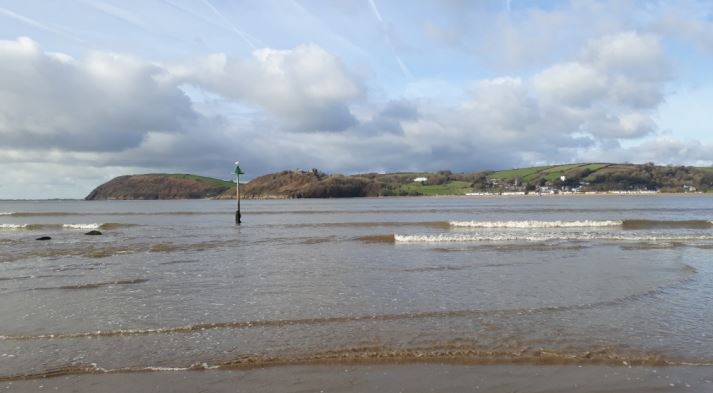
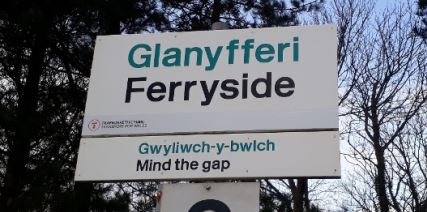 Another trip on a train with a difference. This was to be the first ‘request stop’ on the challenge of visiting stations starting with all the letters of the alphabet. I’m always somehow been fascinated by the trains on this route. They start off in the large city of Manchester, come south along the Wales/England border region visiting small stations, enter South Wales through the much larger population centres of Newport, Cardiff and Swansea and then soon get to stations so small they are ‘request stops’, like Ferryside.


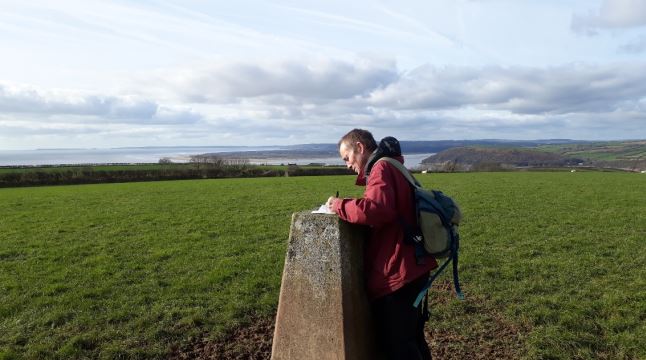

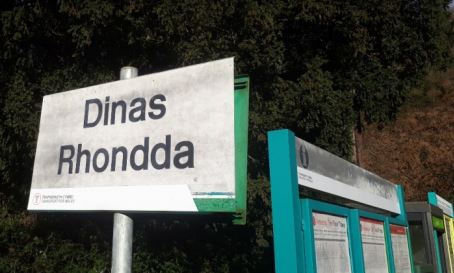 This was a day out in January 2019, not so much to visit a town, but to walk up a hill. Dinas Rhondda is as the name suggests, in the Rhondda valley, between the more sizable towns of Porth and Tonypandy, the later town being where Winston Churchill controversially sent the troops in during a


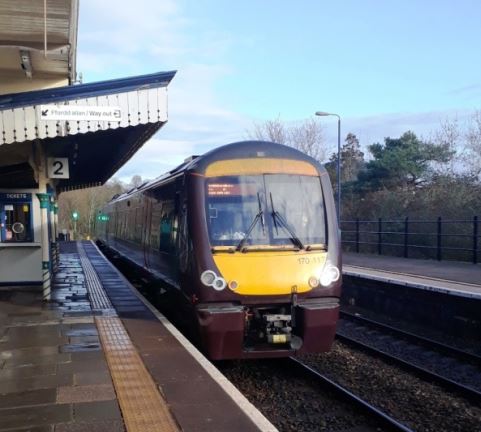
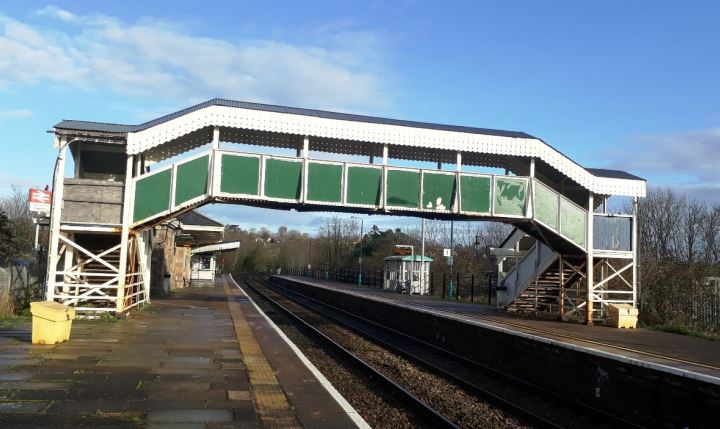
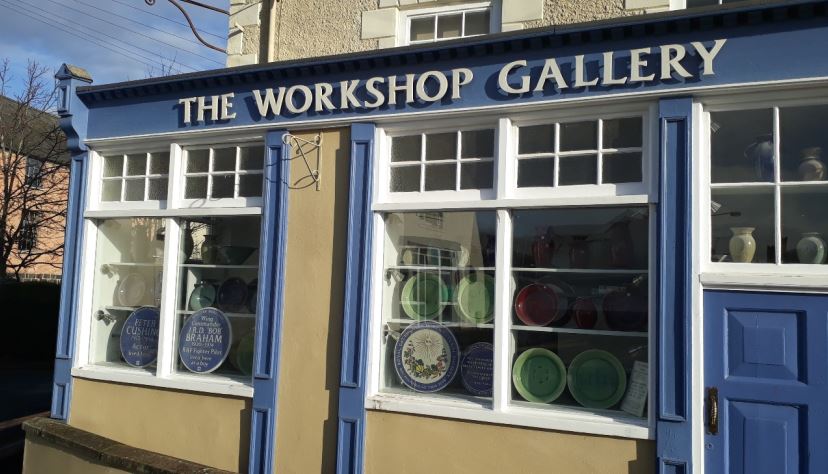
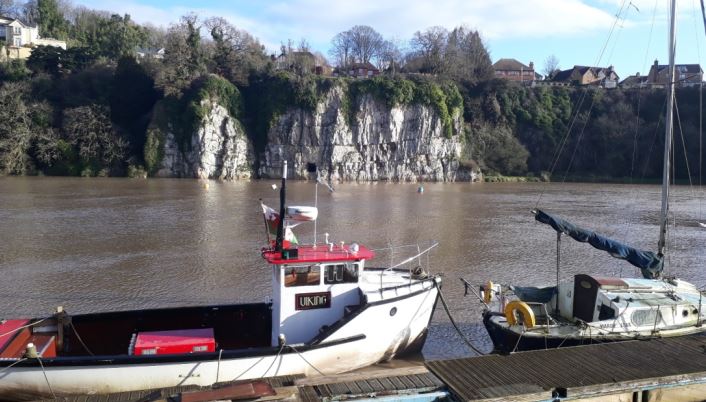
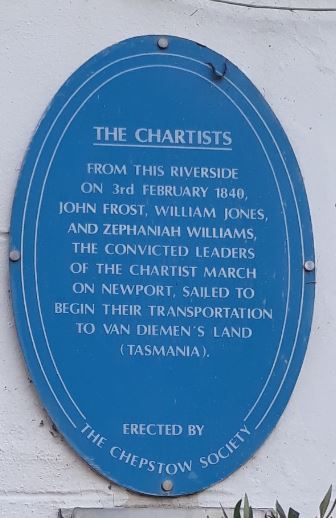 Having meandered through the narrow roads and lanes I was suddenly at the quayside and I think this was my favourite part of the town. It was not holiday season and it was relatively early and I seemed to have the place to myself. It’s almost as if I had discovered the river, the charming pubs, the bandstand, the beautiful Bigsweir iron bridge over the River Wye. This is the quay which back in Victorian times would have been busy with people making the trip back and from to Bristol. Back further in time it was the place where some of the Newport Chartists were deported to Tasmania, probably never to see the green green grass of home ever again.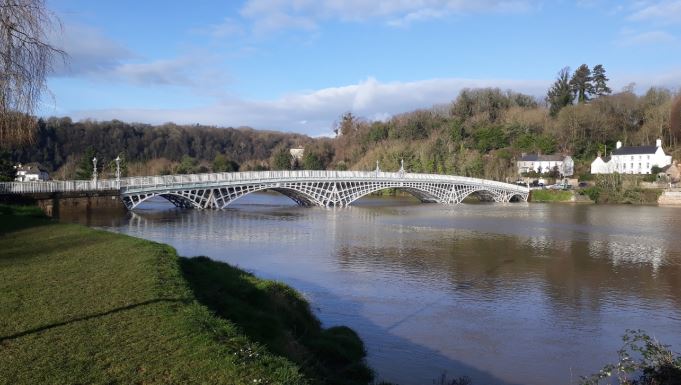




 Cardiff Capers